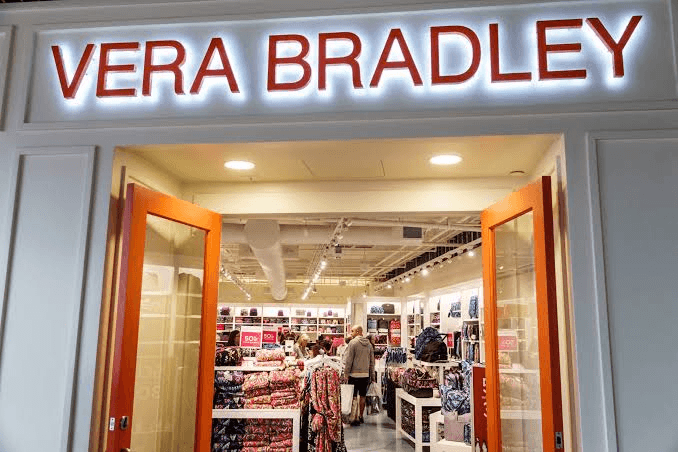
Headlines about Vera Bradley store closures, steep stock drops, and a sold-off sub-brand have understandably raised a question many shoppers and investors are asking: is the company shutting down entirely?
The short answer is no. But the longer answer requires separating fact from speculation. This article breaks down what is actually happening with Vera Bradley’s stores, finances, brand strategy, and what it all means going forward.
Vera Bradley Is Not Closing — But It Is Shrinking Deliberately
No bankruptcy filing, liquidation, or company-wide shutdown has been announced or reported in major business coverage or SEC filings. What is happening is a multi-year restructuring plan — a controlled contraction, not a collapse.
There is an important distinction worth making here. Closing individual store locations is not the same as ceasing operations as a brand. Vera Bradley continues to operate stores, sell online, and run outlet locations across the country.
A useful example is the Summit Mall location in Fairlawn, Ohio. That store closed, and local coverage made it sound alarming. But after that closure, three other Vera Bradley locations remained open in Ohio. One store shutting down is a business decision — not a going-out-of-business event.
The Scale of Store Closures and Why They Are Happening
The closures are real, and the scale is significant. But the pattern is strategic rather than reactive.
Earlier in the restructuring period, Vera Bradley’s CEO announced plans to close roughly 40 full-line stores over approximately three fiscal years, timed to lease expirations. That was not a vague forecast — it was a deliberate operational plan.
According to an analysis of SEC filings reported by TheStreet, the company closed 22 full-line stores over about three years, which represents a reduction of more than 43% in that store category. An additional 16 full-line stores were closed over roughly the following 15 months.
At one point, the company ended a quarter with just over 100 full-line locations and has continued trimming from there. The closures have not been random. They target underperforming locations, particularly stores in traditional mall settings where foot traffic has declined broadly across the retail industry.
The strategy is straightforward: exit locations that are not generating acceptable returns, and redirect resources toward outlet stores and digital channels that are performing better.
What the Financial Numbers Actually Show
The financial picture at Vera Bradley is genuinely challenging. Sales have declined across direct, indirect, and e-commerce channels — a multi-channel slowdown that is hard to explain away as one isolated problem.
The company has reported quarterly losses larger than what analysts expected, and those results have hit the stock hard. VRA shares experienced a roughly 19% single-day drop to around $2.20 at one point. A separate event sent shares down about 10.5% to approximately $2.04.
Those are significant moves for any stock, and they reflect real investor concern about the company’s revenue trajectory. However, stock volatility signals concern — it does not confirm that insolvency is coming.
One detail worth noting: the company has achieved near break-even earnings per share in certain periods. But analysts have pointed out that this was driven primarily by cost cuts rather than actual sales growth. That matters because cost-cutting has limits. At some point, a turnaround needs revenue to follow.
The financial situation is serious, but it does not match the profile of a company on the verge of collapse. It matches the profile of a company under genuine pressure, working to find a sustainable path forward.
Project Sunshine and the Return to Floral Roots
Vera Bradley’s official turnaround strategy is called Project Sunshine. The name is optimistic, but the substance is practical. The plan focuses on stabilizing revenue, cutting costs, improving margins through more disciplined pricing and promotion, and closing stores that are not pulling their weight.
Alongside this, the company launched a broader brand campaign called “It’s a New Day,” which signals a repositioning effort aimed at reconnecting with the brand’s core customer base.
That last part is particularly important because brand identity is central to Vera Bradley’s current challenges. The company previously attempted a rebranding that toned down its signature floral, quilted patterns — the aesthetic that built its loyal following in the first place. That move did not go well.
Customers who loved Vera Bradley for its distinctive look found the new direction unappealing. The rebrand contributed to the sales pressure the company is now working to reverse. It follows a familiar pattern: a brand strays from what made it successful, faces customer pushback, then corrects course.
Vera Bradley has since committed publicly to returning to its core aesthetic — the whimsical, colorful florals that defined the brand. Rather than chasing the look of competitors, the strategy is to lean into what makes Vera Bradley recognizably itself.
The Sale of Pura Vida and a Simpler Business
Another significant development was the sale of Pura Vida Bracelets. Vera Bradley had previously owned Pura Vida through its subsidiary Creative Genius, Inc. On March 31, 2025, Vera Bradley sold 100% of that subsidiary and now reports Pura Vida as discontinued operations.
This means Pura Vida is no longer part of Vera Bradley. If you are a Pura Vida customer, the two brands are now separate businesses.
For Vera Bradley, the sale was a deliberate simplification. Running two brands requires split attention and resources. By exiting Pura Vida, management can focus entirely on stabilizing and rebuilding the core Vera Bradley brand. Think of it as selling a second property to focus investment on your primary home.
One More Corporate Development Worth Knowing
In April 2026, Vera Bradley terminated its existing shareholder rights plan, which took effect on April 17, 2026. These plans — sometimes called “poison pills” — are typically used to make hostile takeovers more difficult. Terminating one can signal a number of things about management’s view of ownership structure or corporate direction.
This is not necessarily a distress signal on its own, but it is worth noting as part of the broader picture of corporate changes currently underway at the company.
What This Means for Shoppers, Investors, and Anyone Watching the Brand
If you shop at Vera Bradley, your local store may or may not be on the closure list. The company is still operating full-line stores, outlet locations, and its online channel. If a nearby store closes, checking the website or finding a nearby outlet remains a practical option.
If you are an investor, the situation calls for careful attention rather than panic or overconfidence. The company is executing a restructuring plan with real cost cuts, a clearer brand strategy, and a reduced store footprint. Whether those moves translate into actual revenue recovery is still an open question.
For a broader look at how retail businesses manage strategic pivots like this one, InPage Business covers the business decisions behind brand transformations and retail trends in practical terms.
The risks are real. Continued revenue decline, limited consumer spending, and the general pressures on mall-based retail are not going away. If the turnaround does not gain traction on the revenue side, the situation could become more serious. But that outcome is not confirmed or inevitable based on current reporting.
The Bottom Line
Vera Bradley is not going out of business. It is going through a deliberate and difficult restructuring — closing underperforming stores, selling a non-core brand, cutting costs, and trying to reconnect with the customers who made it successful in the first place.
The financial pressure is genuine. The stock declines are significant. And the outcome of the turnaround is not guaranteed. But none of that is the same as a company shutting down.
What the company does over the next few years with its brand identity, outlet expansion, and digital sales will determine whether Project Sunshine delivers results — or becomes a footnote in a longer story of decline. For now, Vera Bradley is still open, still selling, and still working on a path forward.
Read This: