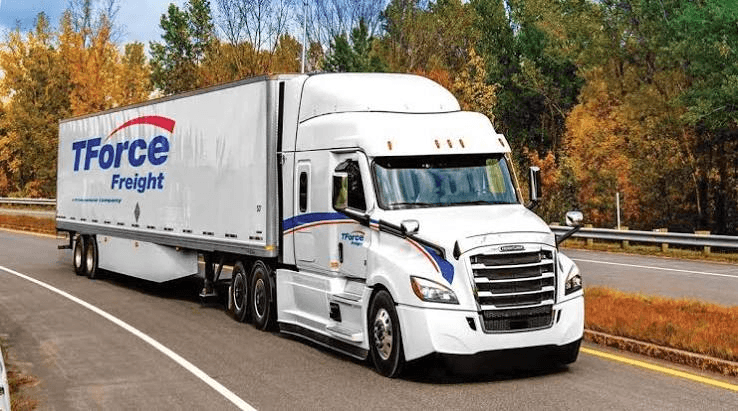
Rumors about TForce Freight shutting down have circulated for a few years now. But in most cases, the concern traces back to a ownership change and a brand transition — not an actual business closure.
This article explains what TForce Freight is today, why the “going out of business” question keeps coming up, and what shippers should actually know before making decisions about their freight.
TForce Freight Is Not Closing — Here Is What Actually Changed
As of the most recent available reporting, there is no bankruptcy filing, network shutdown, or official closure announcement for TForce Freight. The carrier continues to operate as an active LTL (less-than-truckload) freight business under TFI International ownership.
The confusion largely comes from the 2021 sale and rebrand from UPS Freight. Many shippers saw the UPS Freight name disappear and assumed something went wrong. That is understandable — but what actually happened was a standard business acquisition, not a failure.
It helps to know what a genuine carrier shutdown actually looks like. Real closures involve Chapter 7 or Chapter 11 bankruptcy filings, terminal shutdowns, and direct customer notifications about service ending. None of those signals have been reported for TForce Freight in credible business or trade media.
The operation is still running. The brand changed. Those are two very different things.
From Overnite Transportation to UPS Freight to TForce Freight
TForce Freight has a longer history than many people realize. The carrier’s roots go back to 1935, when it operated as Overnite Transportation. That makes it one of the more established freight operations in the country — not a newcomer.
UPS acquired Overnite and rebranded it as UPS Freight in 2006. For about 15 years, UPS Freight operated as a major national LTL carrier under the UPS umbrella.
Then in April 2021, UPS sold the LTL business to TFI International for $800 million in cash. Within roughly six months of that sale, the carrier was rebranded as TForce Freight. UPS no longer operates an LTL freight service under its own name — that business now belongs entirely to TFI International.
Brand changes like this are common in the trucking industry. Acquisitions, renamings, and strategic repositioning happen regularly and do not automatically signal that a carrier is in trouble. The underlying business — the terminals, the routes, the workforce — continued operating through the transition.
Who Owns TForce Freight and How Stable Is the Parent Company
TFI International is a Canadian transportation and logistics holding company with multiple business segments, including LTL freight, truckload, and logistics services. It is not a small or unfamiliar player in the industry.
When TFI acquired UPS Freight, approximately 90% of the acquired business was placed within TFI’s LTL segment, operating independently under the TForce Freight brand. The remaining dedicated truckload assets were integrated into TFI’s truckload segment, which includes CFI.
TFI International is publicly traded on both the New York Stock Exchange (NYSE) and the Toronto Stock Exchange (TSX). That means its financial results are disclosed regularly and are accessible to anyone who wants to review them.
If you want to evaluate the financial health of TForce Freight’s parent company, you can look directly at TFI International’s earnings reports and investor communications. That is a far more reliable method than relying on rumors or secondhand social media posts.
What the Transition Meant for Contracts, Rates, and Service
One of the most common concerns from shippers is whether their existing agreements were affected. The short answer is that the core business continued, and many rate agreements carried over under TFI ownership.
Consider a practical example: a mid-size manufacturer used UPS Freight for LTL shipments before 2021. After the sale, their pickup trucks and invoices now show TForce Freight. The freight still moves through the same terminals and routes. The brand changed — the underlying service did not.
For shippers who had multi-year rate agreements signed under UPS Freight, many of those rates and lanes were honored by TForce Freight after the acquisition. Some administrative updates were required — carrier codes, invoicing details, EDI integrations — but the agreements themselves largely continued.
That said, ownership changes can lead to operational adjustments over time. It is reasonable for shippers to periodically review their contracts, confirm current network coverage, and communicate directly with their TForce Freight account representative to understand any changes to pricing, accessorials, or service levels.
How to Evaluate Carrier Stability Without Relying on Rumors
The LTL sector has seen real disruptions in recent years. Some carriers have filed for bankruptcy. Others have been acquired or merged. That volatility is real, and it is reasonable for shippers to want to assess risk carefully.
But there is a difference between measured evaluation and reacting to unverified claims. Here are practical steps to assess any carrier’s stability, including TForce Freight:
- Review parent company financials. TFI International’s earnings reports are publicly available. Revenue trends, operating margins, and strategic commentary all provide useful signals about how the business is performing.
- Watch for concrete indicators. Real trouble shows up in bankruptcy court filings, terminal closure announcements, and service notices — not in online forums or unattributed rumors.
- Monitor service quality directly. On-time performance, communication from account reps, and pickup reliability are day-to-day signals worth tracking.
- Check industry news sources. Trade publications that cover freight logistics report on significant carrier developments quickly. If something material happens, it will be covered.
For shippers who want broader context on making sound carrier decisions, InPage Business covers business strategy and logistics topics that can help inform those choices.
Should You Keep Using TForce Freight?
That depends on your specific shipping needs, lane requirements, and service experience — not on whether the brand recently changed names.
TForce Freight operates an extensive terminal network across the United States. It is an established LTL carrier with a history going back nearly 90 years in various forms. Its parent company is a publicly traded, multi-segment logistics group with operations across North America.
None of that guarantees future performance, and no carrier should be treated as a single point of failure in a well-managed supply chain. A reasonable approach is to maintain TForce Freight as a core option while also keeping relationships with one or two additional LTL carriers — not because TForce Freight is at risk, but because carrier diversification is simply good logistics practice.
Review your current account status, confirm your contract terms are up to date, and make decisions based on actual service data rather than secondhand concerns about a rebrand that happened several years ago.
The Bottom Line
TForce Freight is not going out of business. The carrier continues to operate as an active national LTL carrier under TFI International ownership. The confusion stems from the 2021 transition away from the UPS Freight name — a brand change, not a business collapse.
UPS Freight as a UPS-owned entity no longer exists. But the operations, terminals, and freight network that made it a major carrier are still running under the TForce Freight name. That distinction matters.
Shippers should base their carrier decisions on verified information: financial disclosures, service performance data, and official announcements. When those sources do not show signs of trouble, the responsible conclusion is that the carrier is still operating — because it is.
Read This: