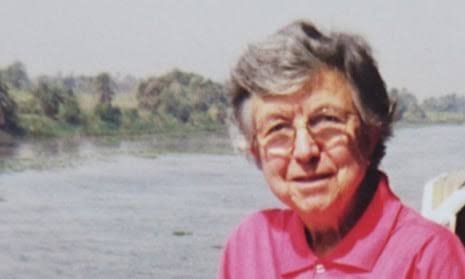
Margaret Myfanwe Joseph, a name that resonates with the world of literature, is a notable figure in Welsh literary history. Her identity as a Welsh novelist is firmly established under the pen name Vanne Morris-Goodall. Joseph’s literary contributions are profound, characterized by unique themes and an engaging narrative style. Appreciating her work means acknowledging a voice that contributed to Welsh literature during a dynamically evolving period.
Personal Background
Margaret Myfanwe Joseph was born on 24 January 1906 in Milford Haven, Pembrokeshire, Wales. Her birth in this scenic coastal town introduced her to a tapestry of cultural and geographical influences that would later permeate her literary creations. She lived a full life, rich with personal and professional experiences, until her death in April 2000 in Bournemouth, Hampshire, England. Her presence was felt long after her passing, leaving an influential legacy in both the literary and scientific communities. Understanding Joseph’s life, from a quiet birth in Wales to her later years in England, provides context for the narratives she crafted.
Literary Career
Margaret Myfanwe Joseph’s literary career is marked by the unique use of her pen name, Vanne Morris-Goodall. Under this alias, she explored various themes, bringing a distinctive voice to Welsh storytelling. Her novels often engaged with cultural and social narratives, offering readers a window into different dimensions of life and human experience.
Her work was well-received, gaining attention for its depth and integrity. Joseph used her writing to navigate complex themes, always approaching her subjects with a practical yet imaginative touch. Her novels resonated with readers, creating an enduring connection that extended beyond her literary successes. By understanding her contributions, one can appreciate the ways in which she influenced both her contemporaries and aspiring writers.
Family and Personal Connections
Margaret’s personal life was intertwined with notable individuals, most significantly, her marriage to Mortimer Herbert Morris-Goodall. This union not only defined personal happiness but also introduced her to new intellectual and scientific realms. Together, the couple raised their daughter, Jane Goodall, who would grow to become one of the world’s renowned primatologists.
The familial ties were not just superficial; they influenced and shaped the trajectories of those involved. Jane Goodall credits her mother with being one of her greatest influences, a testament to the profound role Margaret played in her daughter’s life. Understanding these relationships helps in appreciating how they shaped the course of both Margaret’s and Jane’s endeavors.
Support of Jane Goodall’s Research
One of the most significant aspects of Margaret Myfanwe Joseph’s life was her active role in supporting Jane Goodall’s early research in chimpanzee behavior. Traveling with Jane to Gombe, Tanzania, Margaret became an integral part of the research environment. Her involvement was key to ensuring the success of these early scientific endeavors, providing logistical and emotional support that allowed Jane to focus on her groundbreaking work.
Margaret’s support extended beyond logistics; she influenced Jane’s scientific approach, encouraging curiosity and tenacity. Her contributions to these efforts were foundational, serving as a backbone for Jane’s explorations and discoveries. This involvement showcases Margaret’s dedication not only to her family but to the broader scientific community, highlighting her role as a facilitator of innovative research.
Legacy and Influence
Margaret Myfanwe Joseph’s legacy stretches across both literary and scientific fields. Her influence as a novelist remains evident in Welsh literature, where her themes and narrative techniques continue to inspire new generations of writers. Simultaneously, her supportive role in Jane Goodall’s chimpanzee research underscores her impact within the scientific domain.
Margaret’s ability to bridge these two areas—literature and science—illustrates her versatility and commitment to fostering growth and discovery. Her life’s work leaves an enduring mark, offering lessons in the benefits of collaboration and the importance of nurturing intellectual pursuits. Appreciating her legacy means recognizing her multifaceted contributions to culture and knowledge.
Conclusion
Margaret Myfanwe Joseph was not just a novelist or a mother; she was a woman who embraced multiple roles with confidence and dedication. Her dual identity as Vanne Morris-Goodall allowed her to navigate the literary world, while her personal endeavors supported and strengthened her daughter Jane Goodall’s groundbreaking work in primatology.
Her enduring legacy can be seen both in the words she wrote and the lives she touched. Margaret’s story reminds us of the power of supportive relationships and the potential of creative expression. Her life was a testament to the importance of embracing diverse identities and roles, cultivating a legacy that inspires. Her stories, both written and lived, continue to offer guidance and inspiration for future generations, ensuring her place in both literary and scientific history.
For more insights into balancing different aspects of personal and professional life, consider exploring resources like InPage Business for comprehensive guides and support.
Read This: